



AI Revolutionizing Accounting Automation

Automated Bookkeeping: The New Accounting Landscape
AI is revolutionizing accounting by automating bookkeeping and reporting, ushering in a smarter future. Say goodbye to manual data entry and tedious ledgers – AI is here to streamline financial processes with unmatched efficiency.
Automated bookkeeping is transforming the accounting landscape by eliminating repetitive tasks. Today’s AI tools accurately categorize transactions, reconcile bank statements swiftly, and deliver real-time financial insights, making month-end reports a thing of the past. According to Runeleven.com, these intelligent systems dramatically reduce time-consuming grunt work, empowering accountants to focus on strategic priorities.

Real-Time Reporting and Predictive Insights
Real-time and predictive reporting powered by machine learning allows businesses to foresee cash flow and identify anomalies instantly. NetSuite highlights this growing trend, showing how AI-driven analytics enhance fraud detection and improve accuracy, perfect for minimizing costly errors and compliance risks. Meanwhile, generative AI models like AccountsGPT are crafting detailed narrative reports effortlessly, elevating financial communication as noted by CPA Trendlines Research.
Seamless Integration and AI-Driven Client Support
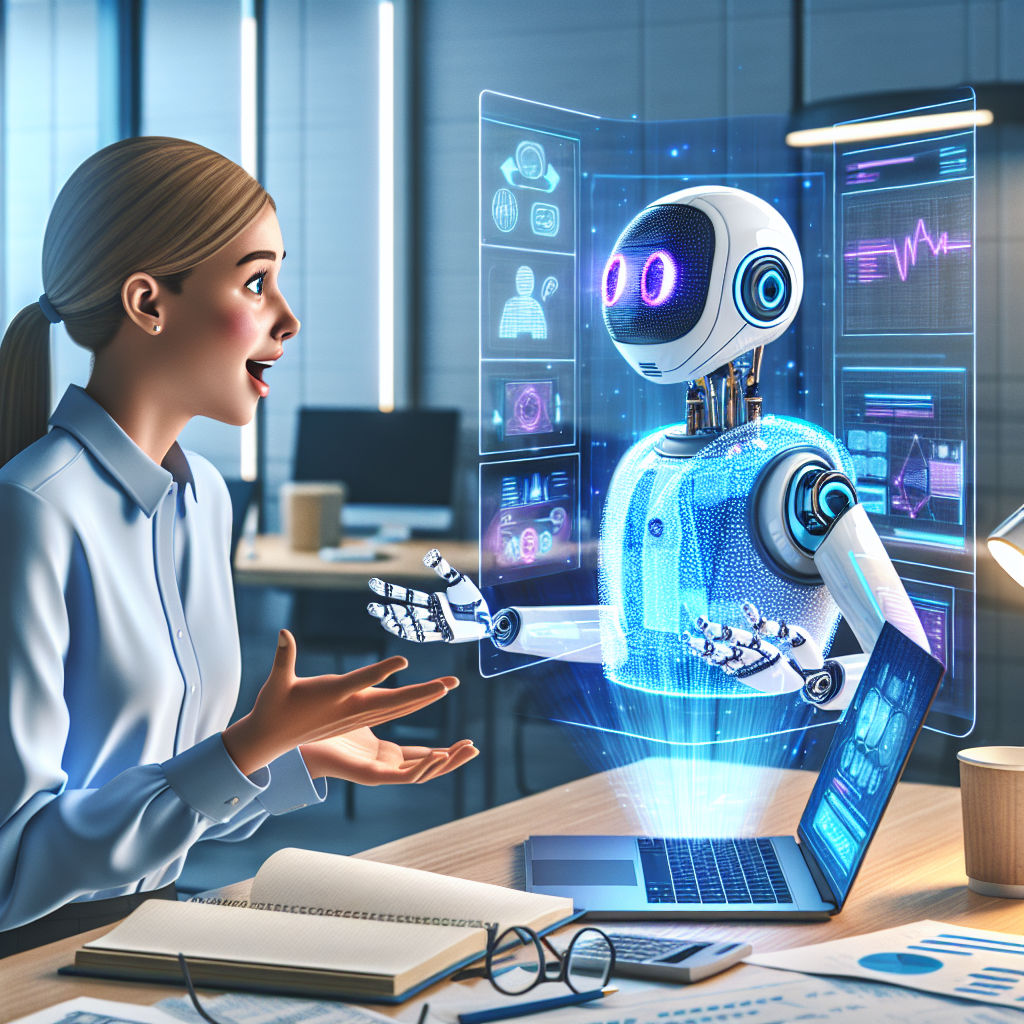
Integration with cloud accounting and Robotic Process Automation (RPA) ensures seamless, scalable solutions, while AI chatbots provide instant support for client onboarding and fraud prevention, as per G2 Research. This dynamic synergy between AI and accounting professionals doesn’t replace accountants but upgrades their role, making their expertise more impactful.
The Bright Future: AI and Accountants in Partnership
The benefits are clear: enhanced productivity, greater accuracy, faster decisions, significant cost reductions, scalability for growth, and improved compliance. However, adoption challenges remain, including data security concerns, the need for transparency in AI decision-making, integration hurdles, skill gaps among accountants, and regulatory uncertainties.
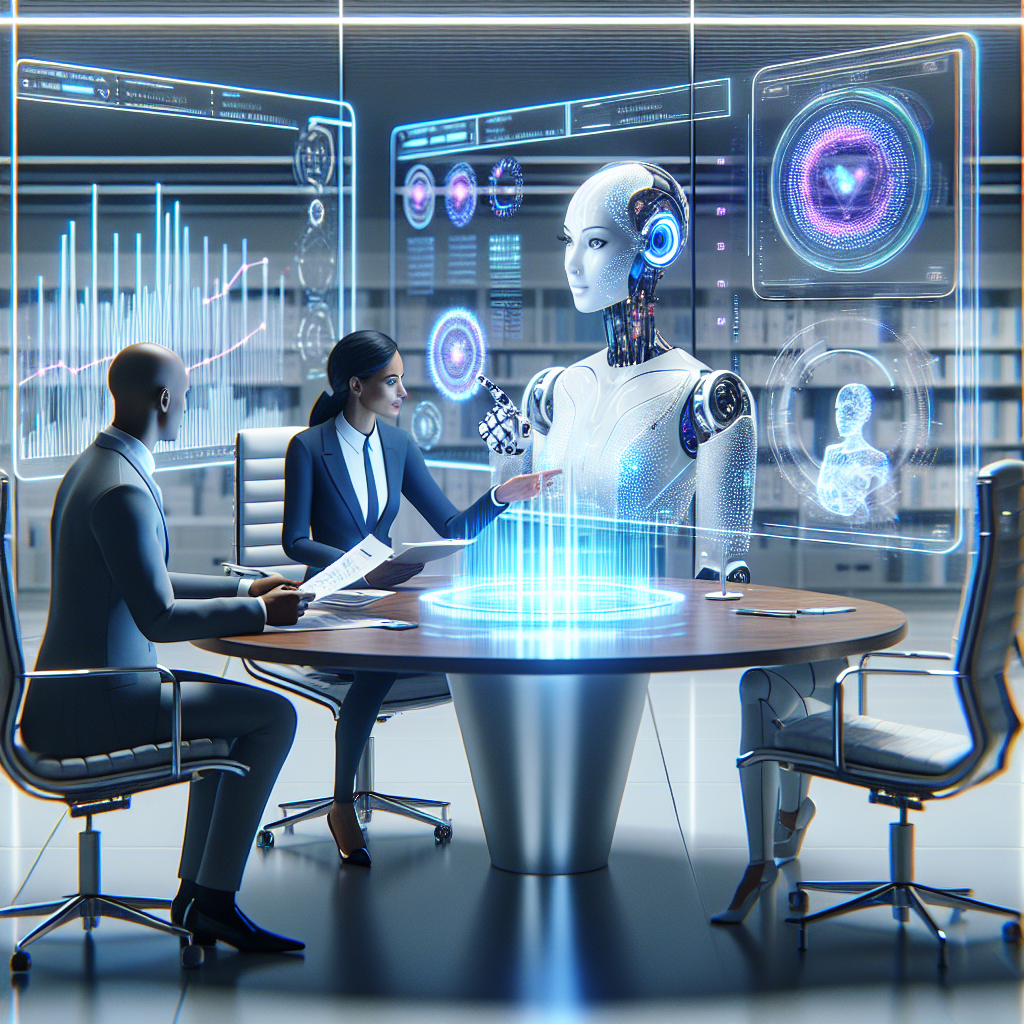
Looking forward, AI will continue to evolve, fostering a strategic partnership with accountants. Freed from repetitive tasks, accountants will increasingly serve as business advisors, leveraging AI insights for smarter strategies. Research from Thomson Reuters and Stanford underscores ongoing improvements in AI’s accountability and hyper-personalization, promising deeper automation and richer reports.
The AI wave is expanding beyond big firms to small and medium-sized businesses alike, reshaping the accounting industry at every level. Ultimately, AI in accounting is not man versus machine but man with machine—a powerful collaboration driving a smarter financial future.